
National Education Policy (NEP)
The National Education Policy (NEP) 2020 is a landmark reform introduced by the Government of India to overhaul the country’s education system. Approved in July 2020, it replaces the previous National Policy on Education (1986) and aims to make education more holistic, flexible, multidisciplinary, and aligned with the needs of the 21st century. NEP 2020 envisions an education system rooted in Indian values while being globally competitive.
One of the most significant changes introduced by NEP 2020 is the restructuring of the school education system. The traditional 10+2 structure has been replaced by a 5+3+3+4 model, corresponding to different stages of a child’s cognitive development—Foundational (ages 3–8), Preparatory (8–11), Middle (11–14), and Secondary (14–18). This reform emphasizes early childhood care and education (ECCE), recognizing the importance of foundational learning in a child’s overall development.
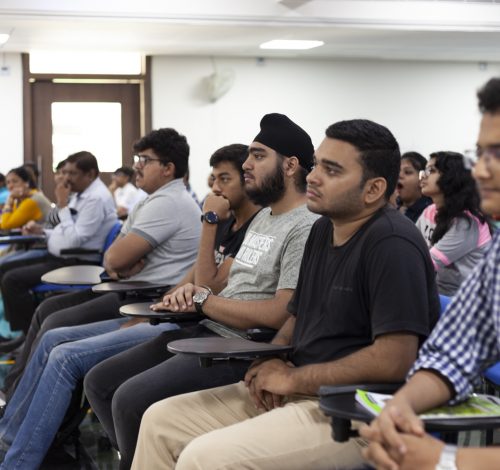
The policy also focuses strongly on improving the quality of education. It promotes experiential learning, critical thinking, and skill development rather than rote memorization. Students are encouraged to engage in discussion, analysis, and creative activities. Additionally, the policy aims to reduce the curriculum content to essential concepts, allowing students to gain deeper understanding rather than superficial knowledge.
Language is another key aspect of NEP 2020. It recommends that the medium of instruction until at least Grade 5—and preferably Grade 8—should be in the child’s mother tongue or regional language. The policy also promotes multilingualism, recognizing the cognitive benefits of learning multiple languages. The three-language formula has been retained, but with greater flexibility for states and students.
In higher education, NEP 2020 proposes significant reforms to increase accessibility and flexibility. It introduces a multidisciplinary approach, allowing students to choose subjects across streams. For instance, a student can combine science with arts or commerce subjects. The policy also introduces multiple entry and exit points in undergraduate programs, along with a system of academic credits stored in a digital Academic Bank of Credits (ABC). This allows students to pause and resume their education without losing progress.
Another major objective of NEP 2020 is increasing the Gross Enrolment Ratio (GER) in higher education to 50% by 2035. To achieve this, the policy recommends the expansion of institutions, online education, and open learning systems. It also emphasizes the establishment of world-class multidisciplinary universities and colleges.
NEP 2020 heavily emphasizes the use of technology in education. Digital platforms, online resources, and virtual labs are encouraged to enhance learning outcomes and expand access to education, especially in remote areas. The policy also gained importance during the COVID-19 pandemic, when digital learning became essential.
Teacher training and development are also prioritized. The policy proposes a four-year integrated B.Ed. program as the minimum qualification for teachers and stresses continuous professional development to ensure high teaching standards.
In conclusion, NEP 2020 represents a progressive shift in India’s education system. By focusing on holistic development, flexibility, skill enhancement, and inclusivity, the policy aims to prepare students for the demands of a rapidly changing world while preserving India’s cultural heritage.
B.Com ACCOUNTING -Three Year CBCS Program
| COURSE STRUCTURE | CATEGORY | |
|---|---|---|
|
SEMESTER – I |
||
|
English Language and Business Communication |
AECC-1 |
|
|
Financial Accounting-I |
Core course-1 |
|
|
Principles of Management |
Core course-2 |
|
|
Business Mathematics |
GE-1 |
|
|
Principles of Marketing |
SEC-1 |
|
|
SEMESTER-II |
||
|
Environmental Science |
AECC-2 |
|
|
Business Law |
Core-3 |
|
|
Financial Management |
Core-4 |
|
|
Business Statistics |
GE-2 |
|
|
Introduction to OB & HR |
SEC-2 |
|
|
SEMESTER-III |
||
|
Financial Institutions and Markets |
Core course-5 |
|
|
Financial Accounting-II |
Core course-6 |
|
|
Cost & Management Accounting-I |
Core course-7 |
|
|
Computer Application for Business |
SEC-3 |
|
|
Managerial Economics-I |
GE-3 |
|
|
SEMESTER – IV |
||
|
Banking |
Core course-8 |
|
|
Direct Tax Law |
Core Course-9 |
|
|
E-commerce and Computerized Accounting |
Core Course -10 |
|
|
Ethics, Governance and Sustainability |
SEC-4 |
|
|
Managerial Economics-II |
GE-4 |
|
|
SEMESTER-V |
||
|
Entrepreneurship Development |
Core Course -11 |
|
|
Corporate Accounting |
Core course-12 |
|
|
Indirect Tax Laws |
SEC-5 |
|
|
DSE-1(Any one from Gr.A) |
DSE-1 |
|
|
DSE-2(Any one from Gr.A)
|
DSE-2 |
|
|
SEMESTER – VI |
||
|
Corporate Laws |
Core Course -13 |
|
|
Auditing and Assurance Services |
Core Course -14 |
|
|
International Finance |
SEC-6 |
|
|
DSE-3(Any one from Gr.B) |
DSE-3 |
|
|
DSE-4(Any one from Gr.B) |
DSE-4 |
|
Group-A
- Insurance & Risk Management
- Accounting Standards and Corporate Financial Reporting
- Security Analysis & Portfolio Management
- Marketing Research
- Group Dynamics & Team Building
Group-B
- Derivatives
- Fundamentals of Labour Laws
- Financial Statement Analysis
- Rural Marketing
Note
- CBCS: Choice based credit system
- AECC: Ability enhancement compulsory course
- SEC: Skill enhancement course
- GE: Generic elective
- DSE: Discipline specific elective
- Each AECC and SEC course is of 4 credits. Each Core , GE, and DSE course is of 6 credits
- Total credits: 164
B.Com FINANCE-Three Year CBCS Program
| COURSE STRUCTURE | CATEGORY |
|---|---|
|
SEMESTER – I |
|
|
English Language and Business Communication |
AECC-1 |
|
Financial Accounting-I |
Core course-1 |
|
Principles of Management |
Core course-2 |
|
Business Mathematics |
GE-1 |
|
Principles of Marketing |
SEC-1 |
|
SEMESTER – II |
|
|
Environmental Science |
AECC-2 |
|
Business Law |
Core-3 |
|
Financial Management |
Core-4 |
|
Business Statistics |
GE-2 |
|
Introduction to OB & HR |
SEC-2 |
|
SEMESTER – III |
|
|
Financial Institutions and Markets |
Core course-5 |
|
Financial Accounting-II |
Core course-6 |
|
Cost & Management Accounting-I |
Core course-7 |
|
Computer Application for Business |
SEC-3 |
|
Managerial Economics-I |
GE-3 |
|
SEMESTER – IV |
|
|
Banking |
Core course-8 |
|
Direct Tax Law |
Core Course-9 |
|
E-commerce and Computerized Accounting |
Core Course -10 |
|
Ethics, Governance and Sustainability
|
SEC-4 |
|
Managerial Economics-II |
GE-4 |
|
SEMESTER – V |
|
|
Entrepreneurship Development |
Core Course -11 |
|
Financial Management-II |
Core course-12 |
|
Security Analysis & Portfolio Management
|
SEC-5 |
|
DSE-1(Any one from Gr.A) |
DSE-1 |
|
DSE-2(Any one from Gr.A)
|
DSE-2 |
|
SEMESTER – VI |
|
|
International Finance |
Core Course -13 |
|
Corporate Laws |
Core Course -14 |
|
Derivatives |
SEC-6 |
|
DSE-3(Any one from Gr.B) |
DSE-3 |
|
DSE-4(Any one from Gr.B) |
DSE-4 |
Group-A
- Insurance & Risk Management
- Indirect Tax Laws
- Marketing Research
- Corporate Accounting
- Group Dynamics & Team Building
Group-B
- Compensation and Reward Management
- Auditing and Assurance Services
- International Finance
Note
- CBCS: Choice based credit system
- AECC: Ability enhancement compulsory course
- SEC: Skill enhancement course
- GE: Generic elective
- DSE: Discipline specific elective
- Each AECC and SEC course is of 4 credits. Each Core , GE, and DSE course is of 6 credits
- Total credits: 164
BBM HR -Three Year CBCS Program
| COURSE STRUCTURE | CATEGORY |
|---|---|
|
SEMESTER – I |
|
|
English Language and Business Communication |
AECC-1 |
|
Financial Accounting-I |
Core course-1 |
|
Principles of Management |
Core course-2 |
|
Business Mathematics |
GE-1 |
|
Principles of Marketing |
SEC-1 |
|
SEMESTER – II |
|
|
Environmental Science |
AECC-2 |
|
Business Law |
Core-3 |
|
Financial Management |
Core-4 |
|
Business Statistics |
GE-2 |
|
Introduction to OB & HR |
SEC-2 |
|
SEMESTER – III |
|
|
HR Planning & Talent Acquisition |
Core course-5 |
|
Individuals in Organisation |
Core course-6 |
|
Research Methodology |
Core course-7 |
|
Computer Application for Business |
SEC-3 |
|
Managerial Economics-I |
GE-3 |
|
SEMESTER – IV |
|
|
Soft Skill and Personality Development |
Core course-8 |
|
Production and Operations Management |
Core Course-9 |
|
Training and Development |
Core Course -10 |
|
Ethics, Governance and Sustainability |
SEC-4 |
|
Managerial Economics-II |
GE-4 |
|
SEMESTER – V |
|
|
Entrepreneurship Development |
Core Course -11 |
|
Group Dynamics & Team Building |
Core course-12 |
|
Performance Management
|
SEC-5 |
|
DSE-1(Any one from Gr.A) |
DSE-1 |
|
DSE-2(Any one from Gr.A)
|
DSE-2 |
|
SEMESTER – VI |
|
|
Fundamentals of Labour laws |
Core Course -13 |
|
Industrial and Employment Relations |
Core Course -14 |
|
Organization Structure and Design
|
SEC-6 |
|
DSE-3(Any one from Gr.B) |
DSE-3 |
|
DSE-4(Any one from Gr.B) |
DSE-4 |
Group-A
- Insurance & Risk Management
- Accounting Standard and Corporate Financial Reporting
- Financial Management-II
- Change Management and Organization Development
Group-B
- Financial Statement Analysis
- Fundamentals of Labour Laws
- Auditing and Assurance Services
- Rural Marketing
Note
- CBCS: Choice based credit system
- AECC: Ability enhancement compulsory course
- SEC: Skill enhancement course
- GE: Generic elective
- DSE: Discipline specific elective
- Each AECC and SEC course is of 4 credits. Each Core , GE, and DSE course is of 6 credits
- Total credits: 164
BBA MARKETING -Three Year CBCS Program
| COURSE STRUCTURE | CATEGORY |
|---|---|
|
SEMESTER – I |
|
|
English Language and Business Communication |
AECC-1 |
|
Financial Accounting-I |
Core course-1 |
|
Principles of Management |
Core course-2 |
|
Business Mathematics |
GE-1 |
|
Principles of Marketing |
SEC-1 |
|
SEMESTER – II |
|
|
Environmental Science |
AECC-2 |
|
Business Law |
Core-3 |
|
Financial Management |
Core-4 |
|
Business Statistics |
GE-2 |
|
Introduction to OB & HR |
SEC-2 |
|
SEMESTER – III |
|
|
Services Marketing
|
Core course-5 |
|
Consumer Behaviour
|
Core course-6 |
|
CSR and Sustainability |
Core course-7 |
|
Computer Application for Business |
SEC-3 |
|
Managerial Economics-I |
GE-3 |
|
SEMESTER – IV |
|
|
Soft Skill and Personality Development
|
Core course-8 |
|
Production and Operations Management |
Core Course-9 |
|
Distribution Mangement
|
Core Course -10 |
|
Ethics, Governance and Sustainability |
SEC-4 |
|
Managerial Economics-II |
GE-4 |
|
SEMESTER – V |
|
|
Entrepreneurship Development |
Core Course -11 |
|
Selling Lab |
Core course-12 |
|
Marketing Analytics |
SEC-5 |
|
DSE-1(Any one from Gr.A) |
DSE-1 |
|
DSE-2(Any one from Gr.A)
|
DSE-2 |
|
SEMESTER – VI |
|
|
Retail Marketing |
Core Course -13 |
|
Marketing Communication |
Core Course -14 |
|
Rural Marketing |
SEC-6 |
|
DSE-3(Any one from Gr.B) |
DSE-3 |
|
DSE-4(Any one from Gr.B) |
DSE-4 |
Group-A
- Supply Chain Management
- Customer Relationship Management
- Insurance & Risk Management
- Accounting Standard and Corporate Financial Reporting
- Financial Management-II
Group-B
- Digital Marketing
- Brand Management
- Fundamentals of Labour Laws
- Auditing and Assurance Services
- International Finance
Note
- CBCS: Choice based credit system
- AECC: Ability enhancement compulsory course
- SEC: Skill enhancement course
- GE: Generic elective
- DSE: Discipline specific elective
- Each AECC and SEC course is of 4 credits. Each Core , GE, and DSE course is of 6 credits
- Total credits: 164